

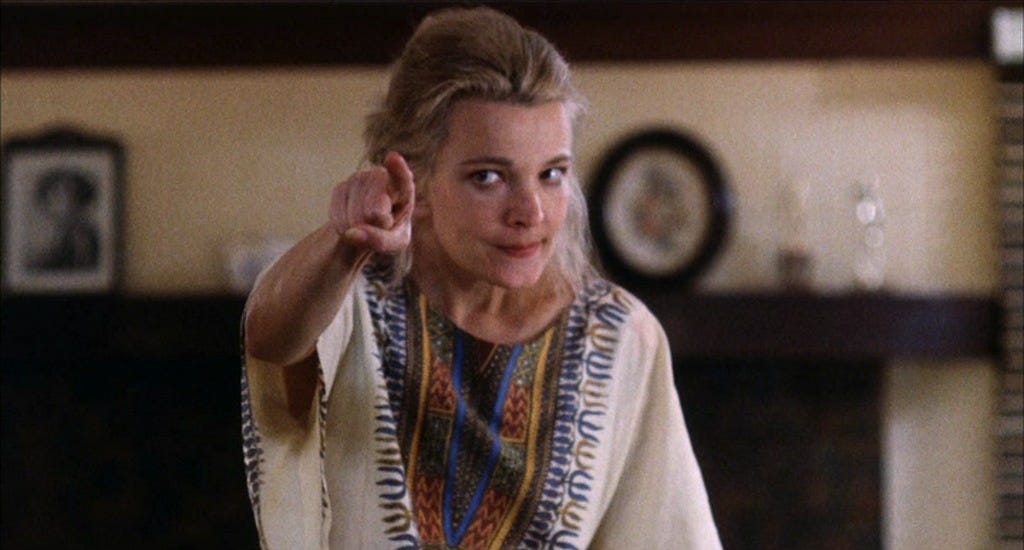
A Woman Under the Influence (1974)
films
I watched ~100 films this year. These were my favorites, and more notably films that truly broadened how I view the function of film and what it can accomplish as a medium.
A Woman Under the Influence (1974) dir. by John Cassavetes: Gena Rowland’s performance in A Woman Under the Influence is the single best I’ve ever seen in a film. A woman whose well-meaning preoccupation and obsession with presenting as normal and happy completely upends her ability to interact with others. Watching this film is like watching a car that you know is about to crash, but not exactly when or how.
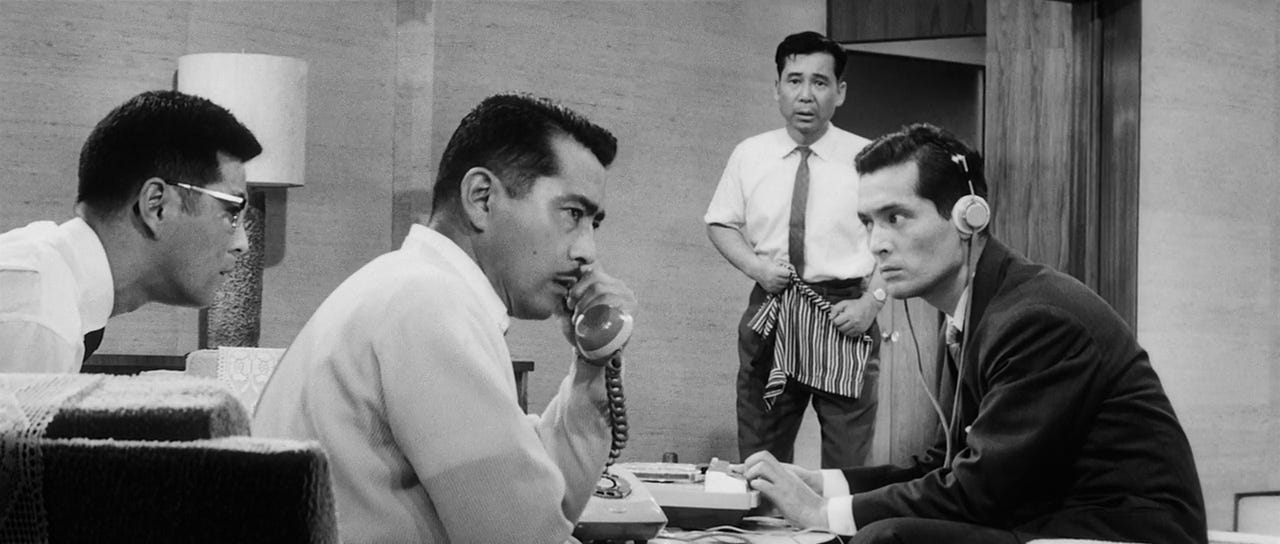
High and Low (1963) dir. by Akira Kurosawa: My immediate reaction to High and Low was, “this movie has EVERYTHING.” Kurosawa’s ability to traverse setting so seamlessly in the way he does in High and Low, thanks in part to his masterful blocking, really put me in awe of the technical mastery of the film. You may have also heard about the Spike Lee remake of this film that came out earlier this year that is fun, but not very…good.
Farewell My Concubine (1993) dir. by Chen Kaige: I don’t think I ever fully understood the magnitude of the speed at which China transformed during the 20th century until I watched Farewell My Concubine. Filtered through the fantastical, delicate world of opera performers, the volatile, fractured history becomes strangely sharper and more memorable than it ever could from a purely historical vantage.

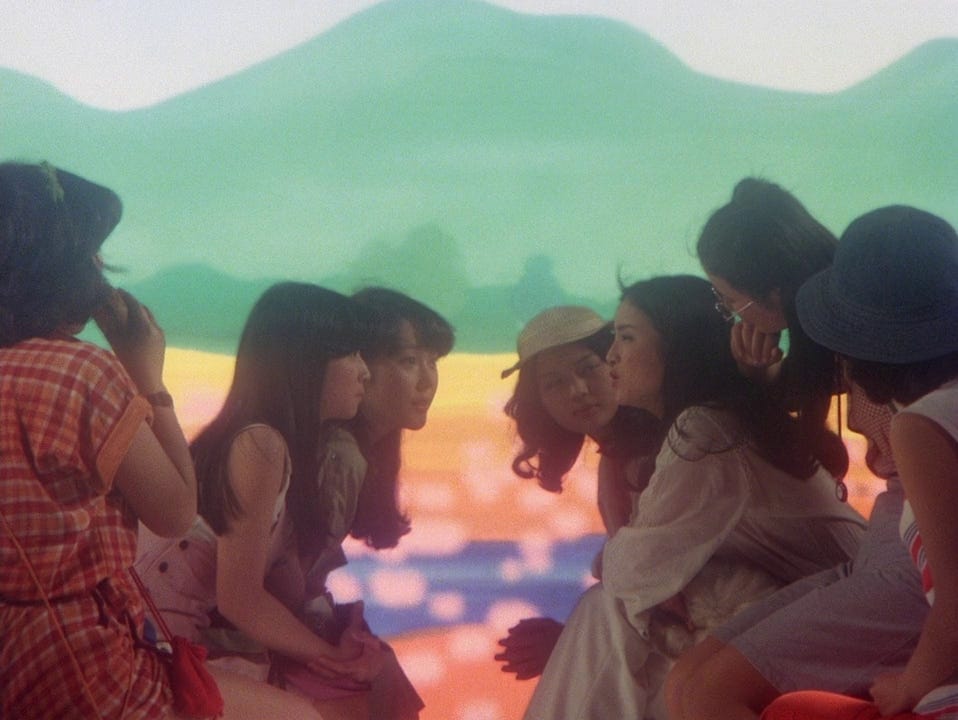
House (1977) dir. by Nobuhiko Obayashi: A recreation of a child’s nightmare into a beautiful acid trip of a work of art—while still maintaining the humor and levity with which a child experiences the world!
capital-F Film
I often think about the tension between “democratization” and the collapse of intentionality and craft—take, for example, “the death of criticism.” As a film enjoyer, I decided to attempt to craft a syllabus of readings that would help me better understand film fundamentals—both in order to become a more informed film viewer, as well as to better understand how classical training/education improves the quality of criticism.
Three books that were particularly rich and educational in this regard:
What is Cinema? by André Bazin: André Bazin was a French film theorist and mentor to the filmmakers who would become the key figures of the French New Wave like Jean-Luc Godard and Eric Rohmer and basically helped shape how we think about film, and particularly cinematic realism. His collection of essays, published as What Is Cinema?, are some of the most important texts in film theory, written between the 1940s and his death in 1958. —> is the exact script I used as intro in a TikTok to summarize “The Ontology of the Photographic Image” and “The Myth of Total Cinema,” lol. A must read for anyone interested in film as a medium, IMO , in that it frames the crucial historical context in which cinema became an industry.
Film Art: An Introduction by David Bordwell, Kristin Thompson, and Jeff Smith: Extremely tactical, but you can clearly see the care and precision with which the authors wrote the text which is really encouraging.
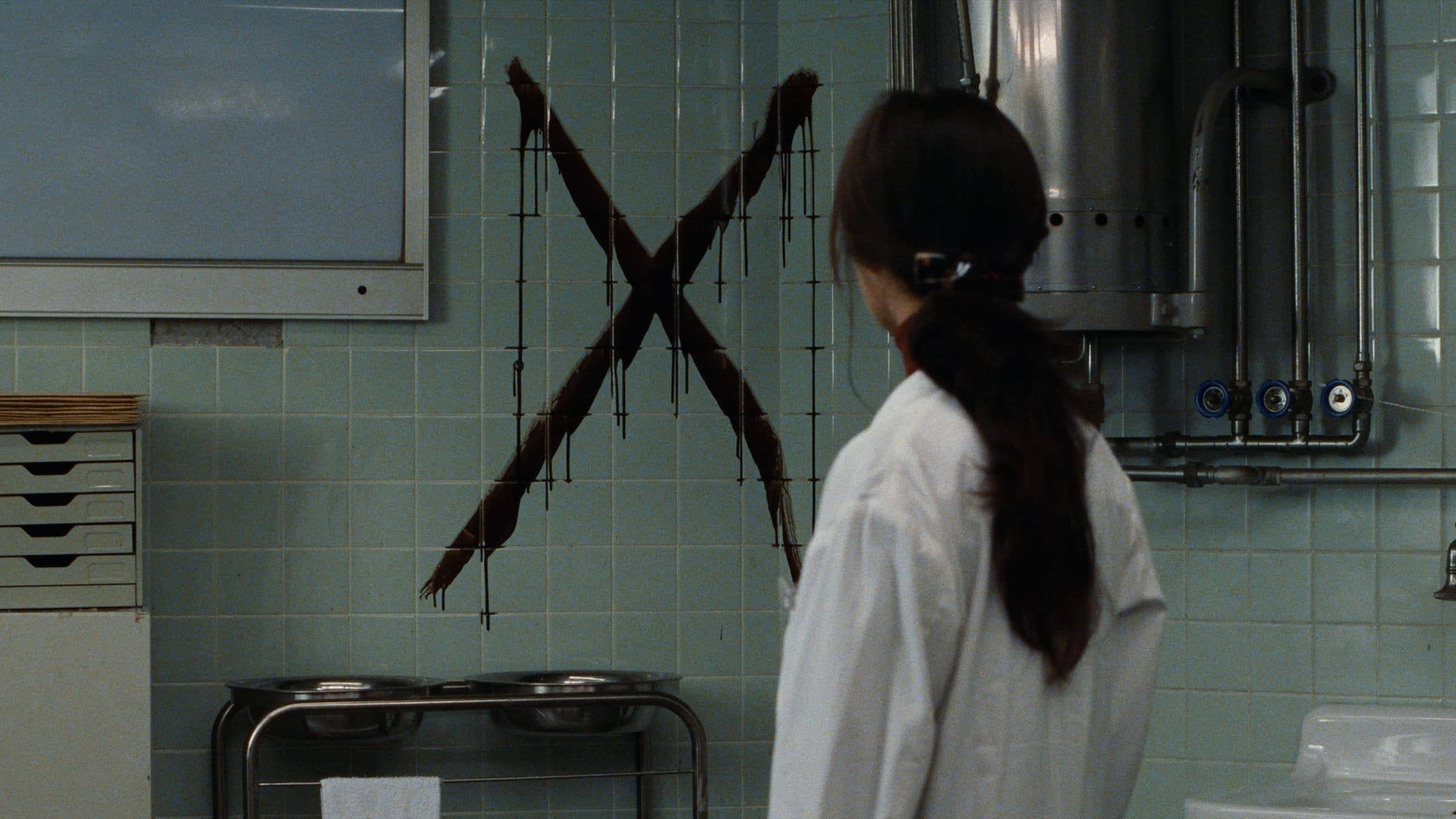
Cure by Dominic Lash: I aspire to one day write as detailed and intricate of an analysis of a film as Dominic Lash does with his text on Cure, the 1997 film by Kiyoshi Kurosawa (one of my favorites).
books
Getting Lost by Annie Ernaux: I would not consider myself a Yearner so this was honestly brutally difficult to read, but I think it was very impactful to see someone think and feel about people and life with such reckless abandon…and then write about it.
The Bell Jar by Sylvia Plath: Perhaps a basic one, but it’s an extremely striking read—I sat outside in my building’s courtyard in the dark for an hour after finishing it in order to decompress.
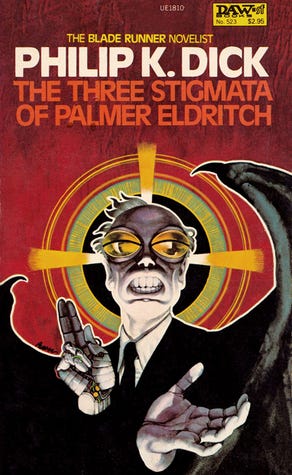
The Three Stigmata of Palmer Eldritch by Philip K Dick: I think I bought this by chance at an airport, and I didn’t know much about Philip K Dick except he wrote Do Androids Dream of Electric Sleep (which I haven’t read). The book was great, but I’m more so fascinated by people who have such broad bodies of work and devoted fanbases. I definitely plan to delve deeper into his work, starting with Ubik.
misc
Traditional Chinese Medicine (Acupuncture, Herbalist): I met a girl at a Lunar New Year party who was raving about her acupuncturist who conveniently was located in my neighborhood, so I decided to try it out (I had never done acupuncture or anything really TCM prior). It’s been about ~2 months, and I’m surprised how helpful it’s been for general energy/emotional regulation; it’s quite subtle, but very grounding.
COROS Pace 3: I got a COROS to get more accurate readings for runs, but also I compulsively check my HR… I used an Oura ring before but I like the ease of just looking down at a screen, as opposed to opening an app. I also find that Oura doesn’t update HR very often (every 10 minutes, I believe).
Kingdom Hearts Final Mix: I never played Kingdom Hearts as kid, but I would often see commercials for it on TV and I believe trailers on VHS tapes (which doesn’t quite make sense to me now, so maybe I’m misremembering). My boyfriend bought a Steam Deck and has been wanting me to get more into games, so because I am an adult who has disposable income and can Just Do Things, I bought Kingdom Hearts Final Mix. Thoughts: horrible gameplay, terrific vibes.

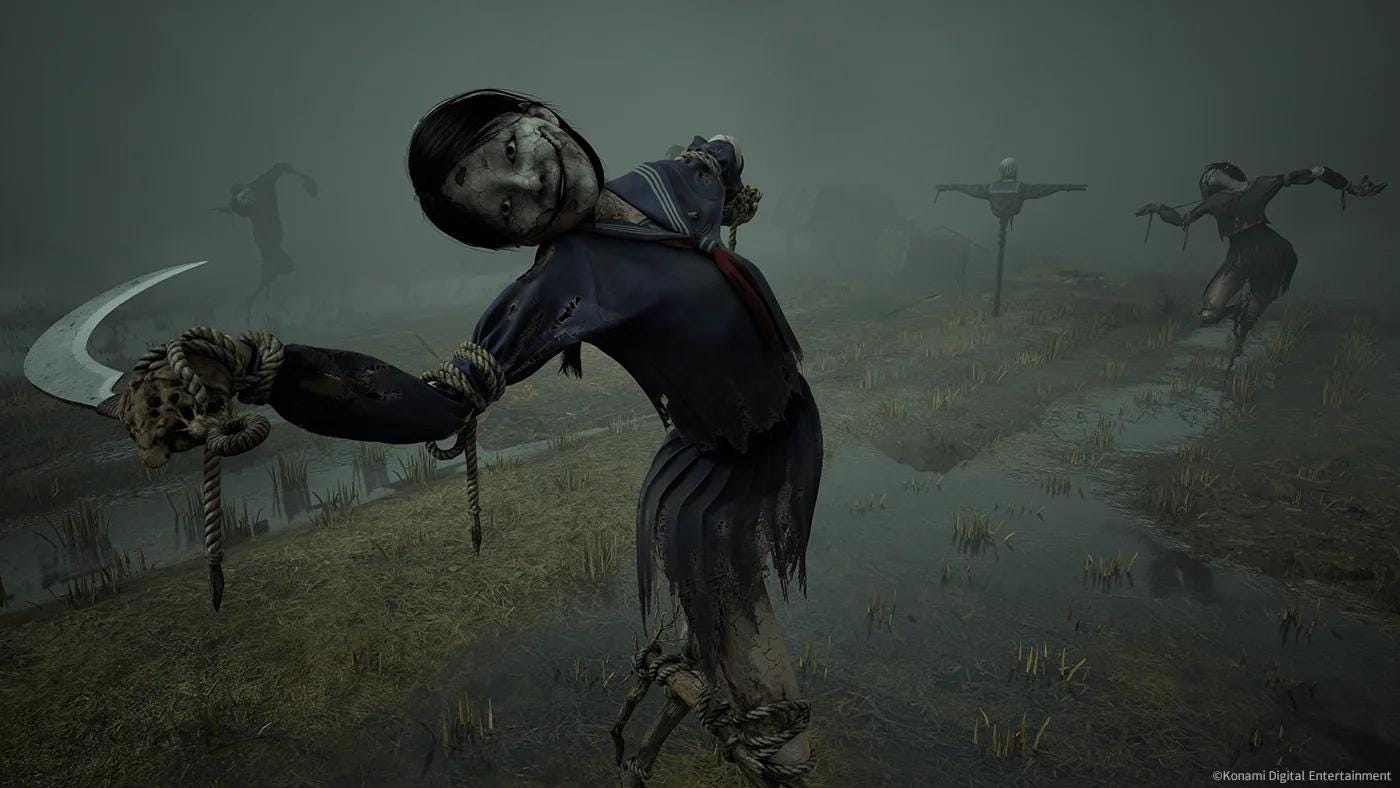
Silent Hill F: Related to the above, a coworker recommended that I check out Silent Hill F because I famously love 1) Japanese and 2) creepy-psycho-thriller-ghost-horror aesthetics. Silent Hill F surprisingly broadened my perspective to the immersion/story-telling capabilities of video games (as someone who only ever really played handheld games), as well how truly powerful UGC/community really can be around contemporary games. I, however, have not finished the game because it is too… scary.
thanks for sharing!
there are a couple of books about film history (in the US), that i found help explain how the art form evolved and why, neil gabler's "life" is one
also, william klein’s film "the french" is, while about the french open tennis tournament, a striking example, to me, of broadening how one views the function of film and what it can accomplish